What's the deal with permits for a new deck in Perris?
Alright, let's get this one out of the way first because it's super important. Yes, you absolutely need a permit for most deck construction here in Perris. It's not just a suggestion; it's the law. Anything over 200 square feet, or if it's attached to your house, or if it's more than 30 inches off the ground, needs a permit. Even if it's smaller, if it's attached to your home, you'll likely need one. The city wants to make sure your deck is built safely, up to code, and won't be a hazard. I've seen folks try to skip this step, and trust me, it always comes back to bite them. You could face fines, have to tear down your work, or worse, have issues when you try to sell your home down the line. We handle the permit process for our clients at Heritage Deck Company, so you don't have to navigate the city hall paperwork yourself. It's usually a few weeks for approval, sometimes longer depending on how busy the planning department is.
How long does it actually take to build a deck?
That's a common question, and the honest answer is, it varies. A small, straightforward ground-level deck might only take a few days once we start construction. A larger, multi-level deck with complex railings, built-in seating, or a pergola could easily take two to three weeks, sometimes more. And that's just the build time. Before we even break ground, there's the design phase, material ordering, and of course, getting those permits approved. From our initial chat to you enjoying your first cup of coffee on your new deck, you're usually looking at anywhere from 4 to 12 weeks, depending on the project's scope and current lead times. We always give you a clear timeline upfront.
What's the best material for a deck in our Perris climate?
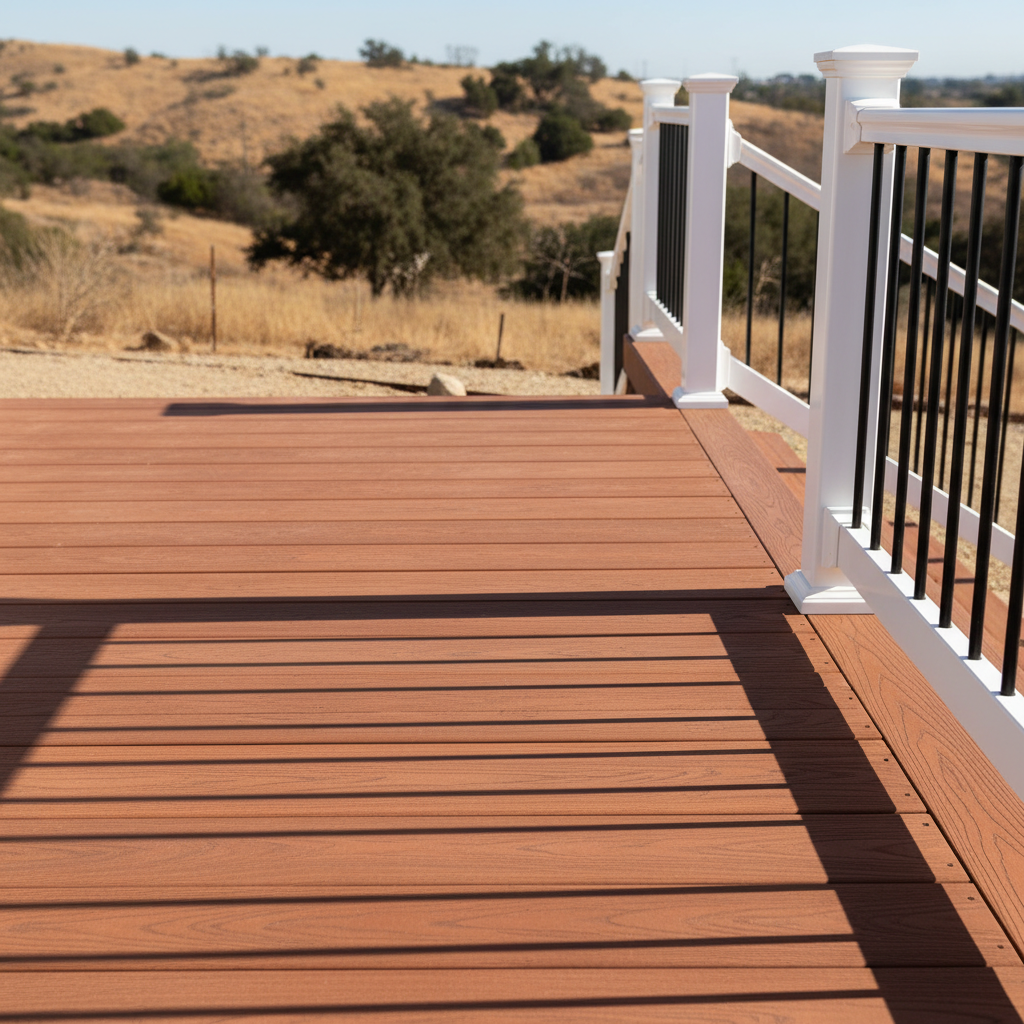
This is where local knowledge really counts. We get a lot of sun out here, right? Those hot Perris summers can be brutal on materials. For decking, you've got a few main options: pressure-treated wood, cedar, redwood, or composite/PVC. Pressure-treated wood is the most budget-friendly, but it needs regular maintenance like sealing and staining to stand up to our sun and prevent splintering. Cedar and redwood are beautiful, naturally rot-resistant, but they're softer and still need upkeep. For my money, and what I recommend for most homeowners looking for longevity and low maintenance in our climate, composite or PVC decking is usually the way to go. Brands like Trex, TimberTech, or Azek are engineered to resist fading, staining, scratching, and insect damage. They won't warp or splinter, and you don't have to stain them every year. It's a higher upfront cost, but it pays for itself in reduced maintenance and a longer lifespan, especially with our intense sun exposure.
How much does a new deck cost?
This is probably the most asked question, and it's also the hardest to give a quick answer to without knowing specifics. Deck costs can swing wildly based on several factors. Size is a big one, obviously. Material choice, as I just mentioned, makes a huge difference — composite is more expensive per square foot than pressure-treated wood. Then there's the complexity: multi-level designs, intricate railing systems (like glass or cable railings), built-in features like benches or planters, lighting, and pergolas all add to the cost. The site conditions also play a role; if your yard has a steep slope, or we hit a lot of rocky soil common in some of the older neighborhoods around here, that can increase labor and foundation costs. Generally, you can expect anywhere from $30 to $70+ per square foot for a quality, permitted deck. We provide detailed, transparent quotes after we've had a chance to discuss your vision and assess your property.
Can I build a deck myself, or should I hire a professional?
Look, I'm a contractor, so you might think I'm biased, but I'll give it to you straight. If you're super handy, have all the right tools, understand local building codes, and have plenty of time, sure, you *can* build a deck yourself. But it's a much bigger project than most people realize. It involves structural engineering, precise measurements, understanding load-bearing requirements, proper fastening techniques, and navigating the permit process. Mistakes can be costly, dangerous, and lead to problems down the road. I've been called in to fix a lot of DIY deck projects that went sideways. Hiring a professional like Heritage Deck Company means you get a deck that's built to code, safe, durable, and looks great, without the headaches and potential pitfalls. Plus, we're insured, which protects you if anything goes wrong.
What kind of maintenance does a deck need?
Even low-maintenance composite decks aren't *no*-maintenance. For composite, a simple wash with soap and water a couple of times a year is usually all it takes to keep it looking good. You'll want to clear off any debris, especially after windy days or during our Santa Ana winds, to prevent staining or mold. For wood decks, it's a more involved process. You'll need to clean it annually, and then re-stain or re-seal it every 1-3 years, depending on the product and how much sun exposure it gets. This protects the wood from UV damage, moisture, and rot. Regardless of material, always keep an eye out for loose fasteners, wobbly railings, or any signs of wear and tear, and address them quickly. Regular inspections can catch small issues before they become big, expensive problems.
What are some popular deck features or upgrades right now?
Homeowners are really getting creative with their outdoor spaces these days, which is awesome. Beyond just the flat surface, I'm seeing a lot of demand for built-in LED lighting, especially stair risers and post cap lights, which really extend how long you can enjoy your deck into the evening. Outdoor kitchens and bar areas are huge, turning the deck into a true entertaining hub. Pergolas or other shade structures are also very popular, and frankly, a smart investment given our intense Perris sun. Low-maintenance railings, like aluminum pickets or glass panels for unobstructed views, are also trending. Fire pits or fire tables, built right into the deck or as standalone features, add a cozy touch. It's all about making your deck an extension of your indoor living space, tailored to how you want to use it.
How do I choose the right contractor for my deck project?
This is crucial. Don't just go with the cheapest bid. First, make sure they're licensed and insured. Ask to see their contractor's license number and verify it with the CSLB. Get references and actually call them. Look at their past work – photos are good, but if you can see a finished project in person, even better. Ask about their process for permits, design, and communication. A good contractor will be transparent, answer all your questions patiently, and provide a detailed, written estimate. They should also be familiar with local Perris building codes. You want someone who communicates well, shows up on time, and has a crew that's respectful of your property. At Heritage Deck Company, we pride ourselves on all of that, because building a deck is a big investment, and you deserve peace of mind.