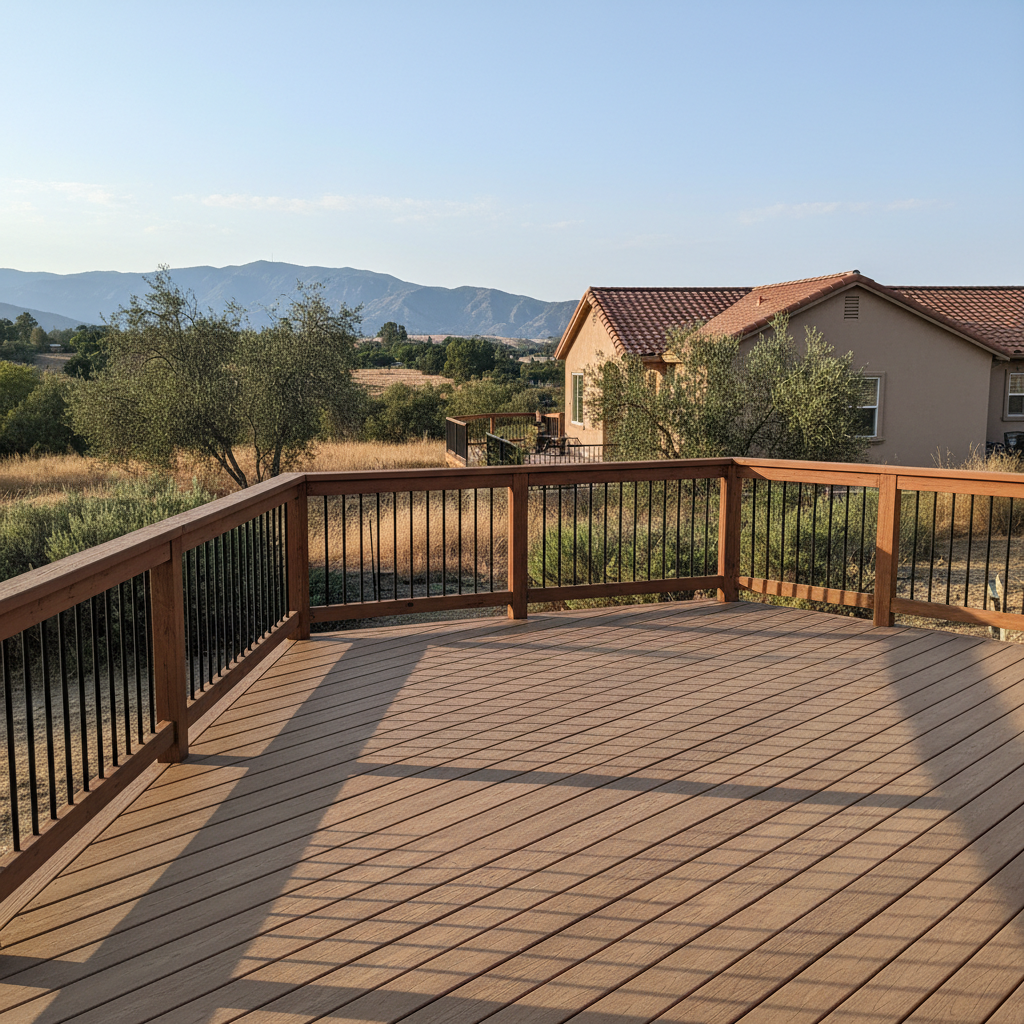
So, you got yourself a Trex deck, huh? Smart move. Folks often think "composite" means zero maintenance, and while it's definitely less work than wood, it's not exactly a "set it and forget it" situation. Especially here in Perris, that sun of ours and the occasional dust storm can be pretty rough on anything outdoors. I've built plenty of these decks over the years, and believe me, I've seen what happens when people neglect them. Let's chat about keeping your Trex deck looking sharp for years to come.
Making Your Trex Deck Last in Our CA Climate
What's the biggest enemy of anything outdoors in Southern California? The sun, hands down. Our intense UV rays can really bake a deck over time, even composite ones. Trex is built to resist fading, sure, but prolonged exposure without some basic care can still dull its finish. Think of it like your car's paint job – you wash it, maybe wax it, to protect it. Your deck needs a similar, though much simpler, approach.
Another thing we constantly deal with here in Perris is dust and dirt. Whether it's from the winds kicking up soil or just the everyday grime from kids and pets, that stuff settles. If you let it sit, it can become a perfect breeding ground for mildew, especially in any shaded spots or after one of our rare rains. That's why cleaning regularly is so important. It's not just about how it looks; it's about stopping buildup that can actually degrade the surface over time.
Oh, and watch out for heavy furniture or planters that don't have proper feet. They can trap moisture and create dark spots. You should lift them regularly, clean underneath, and maybe consider using risers to let air flow. It's a small step, but it really makes a big difference.
What Does Regular Maintenance Actually Look Like?
This isn't rocket science, truly, but it does require some consistency. Here's what I usually tell people:
- Sweep it Off: Grab a soft-bristle broom and give it a quick sweep once a week or every couple of weeks. Get rid of leaves, dirt, and any other bits. This stops things from getting ground into the surface.
- Hose it Down: About once a month, give your deck a good rinse with just a garden hose. Plain old water. This washes away surface dirt before it can really get stuck.
- Deep Clean Annually (or Twice a Year): Now, this is where you get a little more serious. You'll want to use a soft-bristle brush and a mild soap, like dish soap mixed with water, or a deck cleaner specifically approved for composite decks. Scrub gently, always going in the direction of the grain. Rinse thoroughly when you're done. For really tough spots, Trex has its own cleaning products, or you can check their website for other approved cleaners. Just never, ever use a metal shovel or harsh abrasives; you'll scratch the surface.
- Pressure Washer Caution: Okay, you *can* use a pressure washer, but you need to be super careful. Keep it below 1,500 PSI, use a fan tip, and make sure the nozzle stays at least 8-10 inches from the deck surface. Too much pressure or getting too close, and you can damage the composite material – that'll void warranties and create a fuzzy, damaged surface that's pretty much impossible to fix. I've seen people ruin their decks doing this, so if you're not confident, just stick to the hose and brush.
- Stains: For oil or grease, clean it immediately with a household degreaser and hot water. For rust, use a rust remover. Just double-check that whatever you use is safe for composite materials.
Warning Signs of Trouble
Your deck usually tells you if something's not right. Keep an eye out for these things:
- Persistent Stains: If you're cleaning regularly and still have dark spots or discoloration that just won't come out, it might be mildew or mold that's really dug in. This often pops up in shaded areas or where moisture collects, like under a leaky planter.
- Fading or Chalkiness: Trex is fade-resistant, yes, but extreme, uneven fading or a chalky look could mean the top layer is breaking down. This is pretty rare with modern Trex, but older composite decks sometimes show it.
- Loose Boards or Railings: This is a safety issue, plain and simple. If you notice any boards wiggling or railings feeling unstable, don't ignore it. Screws can loosen over time, especially with our temperature swings.
- Pooling Water: If water isn't draining off your deck and is collecting in certain spots, that's a problem. It could signal improper installation or settling, and it'll definitely lead to other issues like mildew and premature wear. We see this sometimes in areas where the ground underneath shifts a bit, like some of the clay soils around Lake Perris.
When to Call a Professional
Look, I'm all for DIY, but sometimes you just need to call in the pros. If you're seeing any of those warning signs and your regular cleaning isn't fixing it, that's a good time to reach out. Specifically:
- If you have persistent mold or mildew that you just can't get rid of, especially if it's widespread. We have specialized cleaners and techniques that can often restore the look without damaging the deck.
- Any structural concerns: loose railings, wobbly stairs, or boards that seem to be sagging. These are safety hazards, and you want someone who knows what they're doing to assess and repair them correctly.
- If you're noticing significant fading or surface damage that goes beyond a simple stain. Sometimes, a professional cleaning or even a light surface restoration might be possible, but it takes specific knowledge.
- If you're just not sure what's going on. Better to get an expert opinion than to accidentally make things worse, right?
Your Trex deck is a big investment, and it adds a lot to your home. Taking care of it isn't hard, but it does take a little effort. If you ever have questions or need a hand with a repair, you know who to call. Heritage Deck Company is always here to help our Perris neighbors keep their outdoor spaces beautiful and safe.